AIXX Pedia › Model Entry › NVIDIA RTX 5080
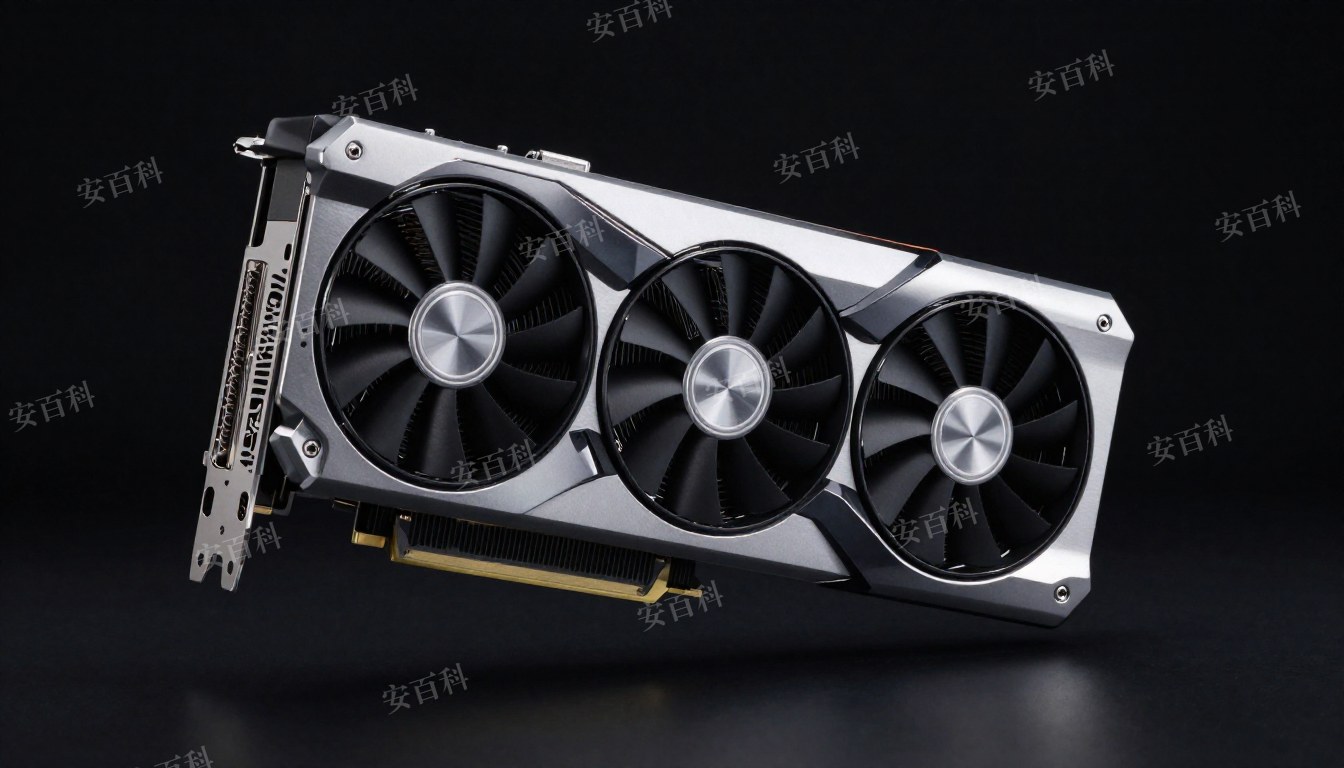
NVIDIA RTX 5080
Overview OVERVIEW
RTX 5080 is the sweet-spot card of NVIDIA's consumer Blackwell lineup Second-Tier Flagship (Released January 2025 · official figures): GB203 die, 10752 CUDA 、 16GB GDDR7 · 256-bit · 960GB/s 、TGP 360W Dual-slot, PCIe 5.0; AI figures 1336 AI TOPS (FP4 sparse · official figures). Fifth-gen Tensor Cores bring DLSS 4 Multi Frame Generation and FP4 precision support — together with RTX 5090 (GB202/32GB/512-bit) they form the two Blackwell consumer tiers, versus the previous generation's position: RTX 4080 SUPER 。
History HISTORY
- 2025-01 RTX 50 series launch (CES · official figures), with the 5080 debuting at an MSRP of $999 (official announcement figures).
- 2025 : First GDDR7 on a consumer card (256-bit, 960GB/s) — a generational bandwidth leap over the 4080 SUPER (GDDR6X).
- 2025-2026 : DLSS 4 Multi Frame Generation rollout (game support expanding with driver updates · official figures); the market is dominated by OC and non-OC OEM variants.
Generation comparison GENERATIONS
| Dimension | RTX 4080 SUPER (previous gen · official figures) | RTX 5080 (this entry · official figures) | RTX 5090 (flagship · official figures) |
|---|---|---|---|
| Cores | AD103(Ada) | GB203(Blackwell) | GB202(Blackwell) |
| Memory | 16GB GDDR6X · 256-bit | 16GB GDDR7 · 256-bit | 32GB GDDR7 · 512-bit |
| Bandwidth | ~737GB/s (media figures) | 960GB/s (official figures) | 1792GB/s (official figures) |
| TGP | 320W | 360W | 575W |
| AI figures | — | 1336 AI TOPS (FP4 sparse) | 3352 AI TOPS (FP4 sparse) |
Notes: all three columns = official pages (verified 2026-11); AI TOPS are FP4-sparse figures and not directly comparable to FP16/INT8; the 4080 SUPER's bandwidth isn't listed separately on the official page and is noted per media figures.
Technical Specifications SPECS
| Item | Specs (NVIDIA official) |
|---|---|
| Architecture | Blackwell · GB203 |
| CUDA | 10752 |
| Memory | 16GB GDDR7 · 256-bit · 960GB/s (official figures) |
| AI compute | 1336 AI TOPS (FP4 sparse · official figures) |
| Power / Form Factor | TGP 360W · dual-slot · 12V-2x6 power |
| Interface | PCIe 5.0 x16 · DisplayPort 2.1b + HDMI 2.1 |
| Display | Up to 8K@240Hz (DP 2.1b · official figures) / 4K@240Hz DSC |
| AI stack | DLSS 4 Multi Frame Generation · 5th-gen Tensor · FP4 hardware support (official figures) |
Model Fit MODEL FIT
| Use cases | 16GB GDDR7 model-fit estimate (calc: weights × precision + KV/framework overhead) |
|---|---|
| 7B-14B-class inference | INT4/FP8 quantization fits comfortably, ample headroom for concurrent instances (estimated figures) |
| 32B-class inference | INT4 quantization barely fits — KV/context must be trimmed to headroom (estimated figures) |
| SD/video generation | Quantized image/video DiT deployments run smoothly; 4K video encode/decode handled entirely by NVENC hardware (ecosystem figures) |
| Training/fine-tuning | Small-model LoRA fine — large-model training is a datacenter-card scenario (stated physical limit) |
Limitations and Boundaries LIMITS
- 16GB ceiling : Large-VRAM AI workloads (70B-class FP8) are beyond a single card — step up to the 4090 (24GB)/ 5090 (32GB) or a datacenter card.
- 360W power delivery : Full-bandwidth 12V-2x6 single connector — older PSUs need an adapter or replacement (pre-deployment check · practical figures).
- Multi Frame Generation controversy : Interpolated frames ≠ latency improvement — evaluate competitive scenarios by base frame rate (technical figures).