AIXX Pedia › Model Entry › B300

B300
Overview OVERVIEW
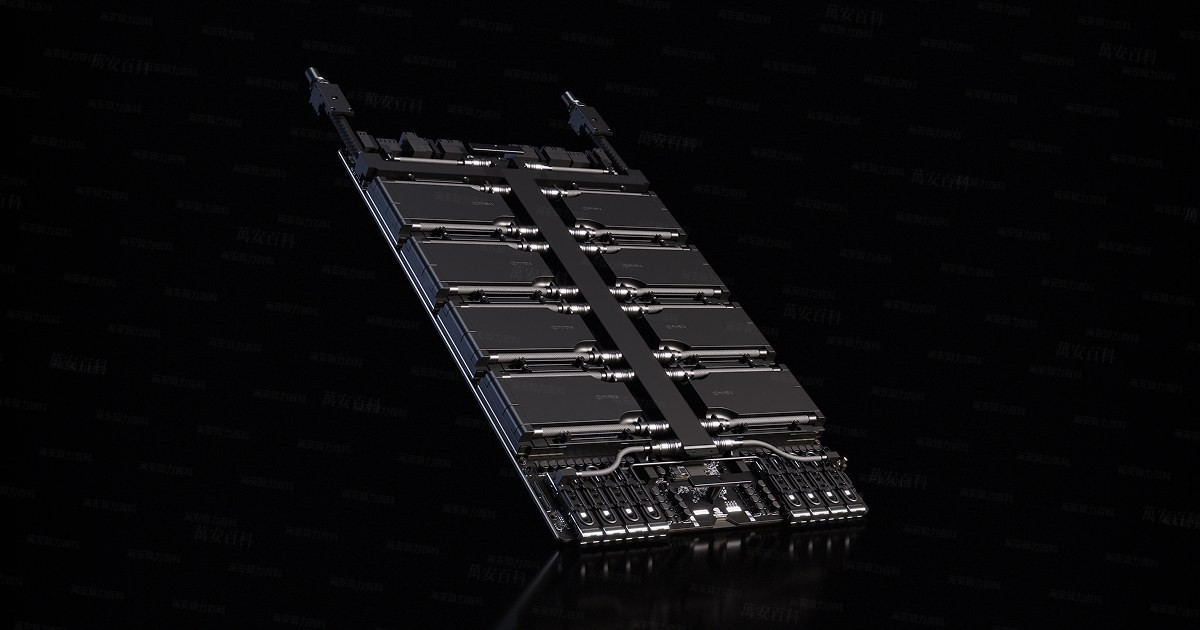
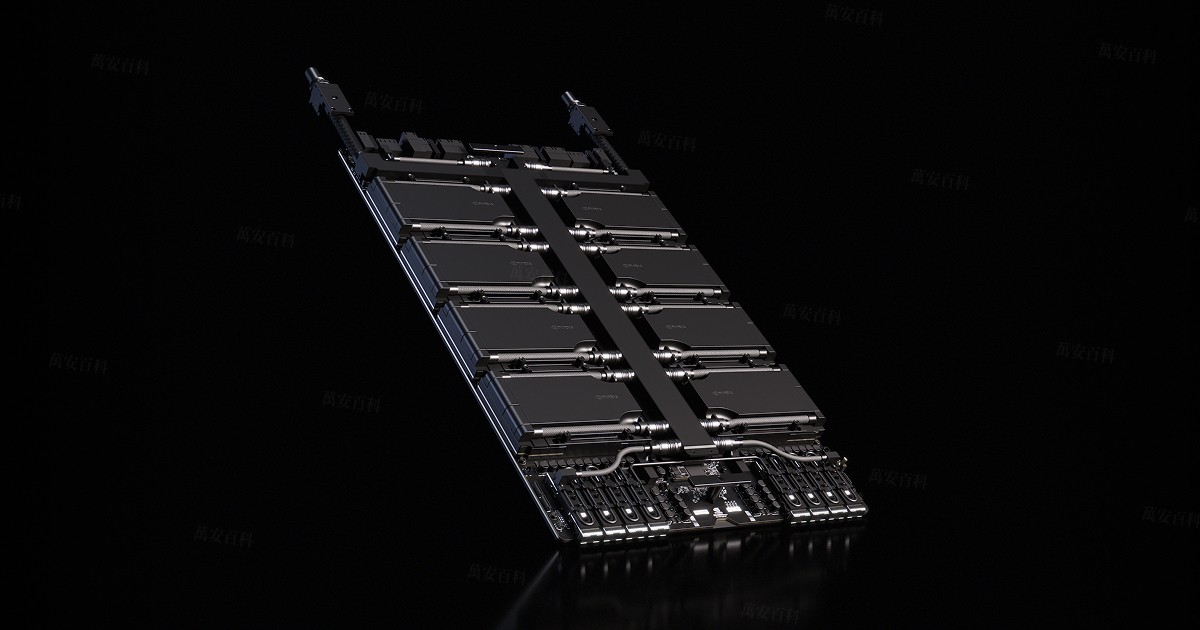
B300 (Full name NVIDIA B300, part of the "Blackwell Ultra" series) is a data center GPU[1]released by NVIDIA in 2025, an enhanced version of 2024's B200. Board memory of 288GB HBM3e — more than three times the previous-generation H100 (80GB). FP4 inference throughput of approximately 1.1 PFLOPS (dense), Board Power (TBP/TGP) 1100W[1]。
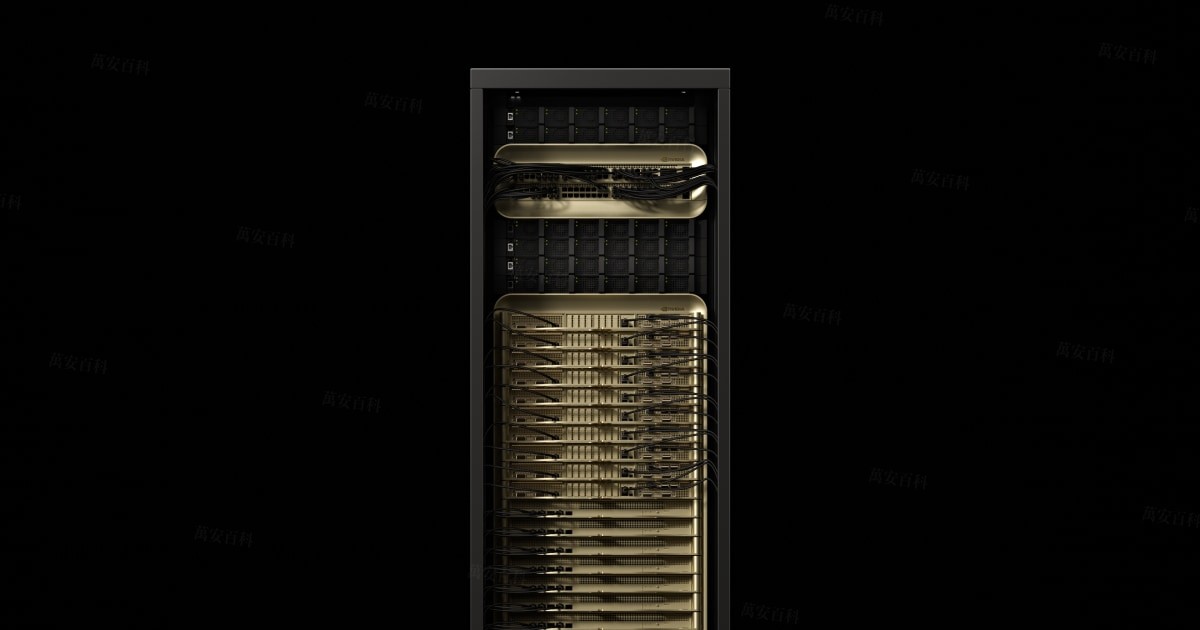
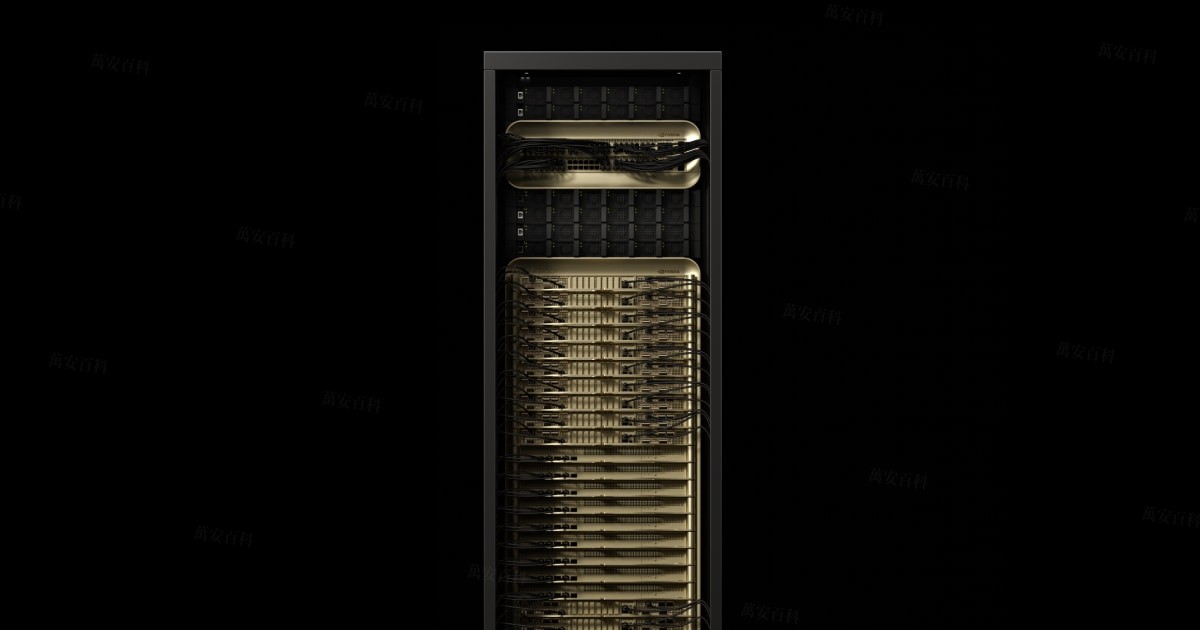
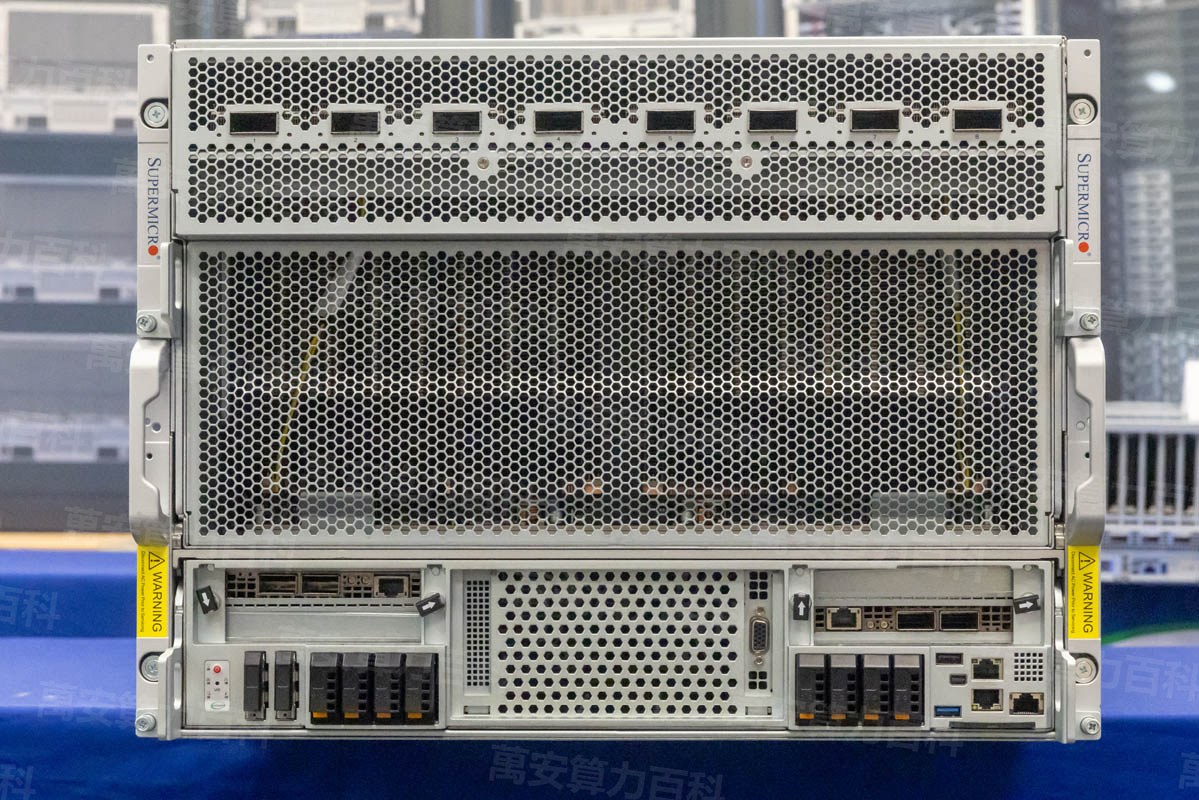
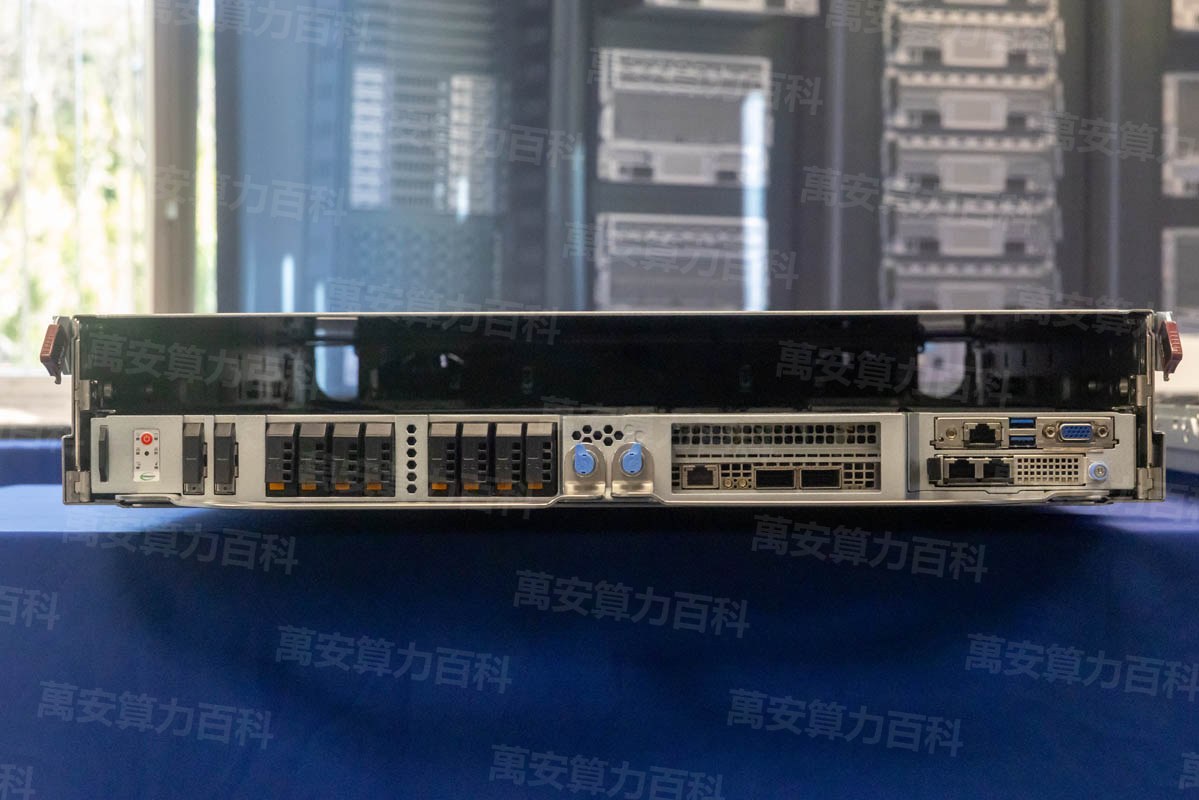
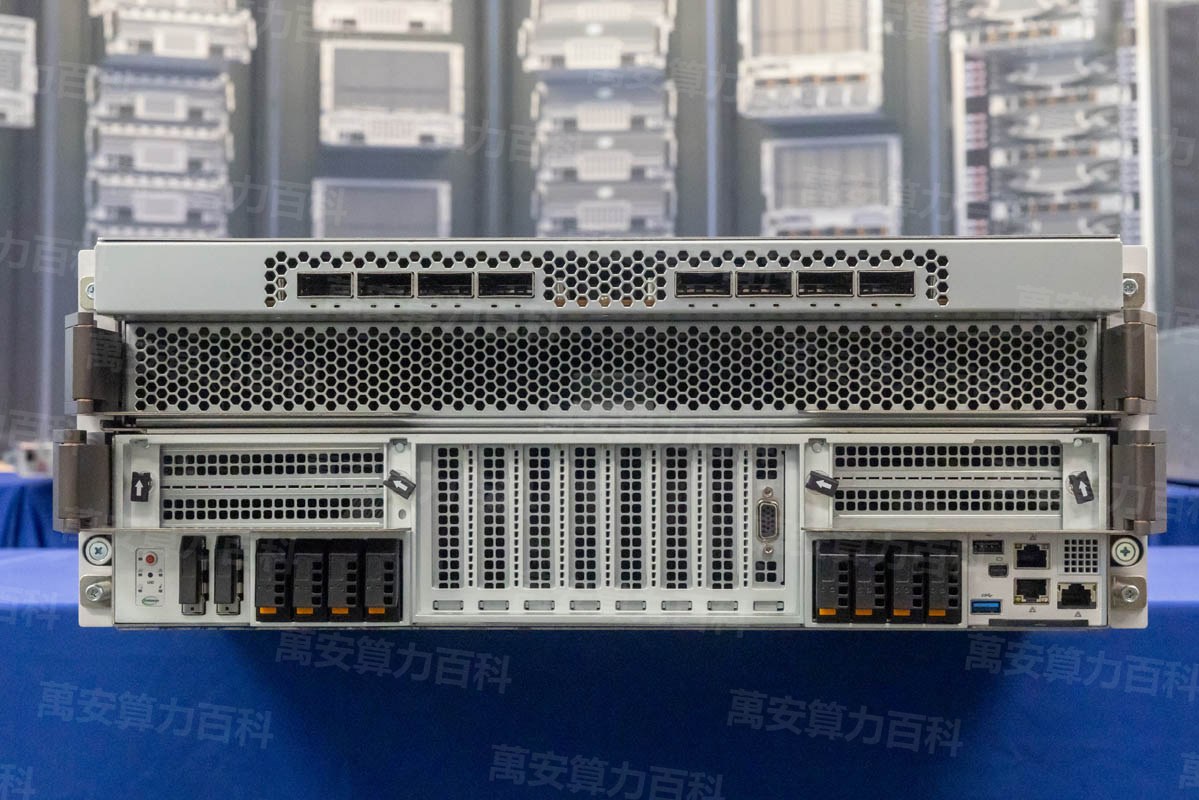
The B300 is sold mainly as complete systems and baseboard form factors : 8-GPU air-cooled systems (NVL8), 16-GPU liquid-cooled baseboards (NVL16), and superchip form factors paired with the Grace CPU (GB300 series)[2]. Among these, the 8-GPU air-cooled system requires no liquid-cooling data center retrofit, making it the most widely traded Blackwell Ultra model in the spot market across mainland China.
Since the second half of 2025, the B300 has been in a state of supply shortage in mainland China: capacity has been pre-booked by leading cloud providers and major customers, there is no standard public pricing, and spot prices are significantly higher than North American channel list prices (market data in the "Market Band" module of this entry)[3]。
Use Cases FIT
AIXX Index (0–100): estimated by this Pedia via weighted public specifications — memory 40% + interconnect 30% + ecosystem 30%, with weights adjusted by use case. 90+ flagship tier · 75+ Excellent · 60+ usable · below 60 not recommended. The methodology is transparent and verifiable, and does not constitute a performance guarantee.
History HISTORY
2022 — The previous-generation Hopper-architecture H100 launched and long held the primary data center GPU position.[1]
2024 — The Blackwell architecture launched, B200 entered mass production; the GB200 NVL72 supernode solution was introduced.
2025-03 — NVIDIA announced "Blackwell Ultra," i.e. the B300, at GTC, with shipping slated for the second half of 2025[1]。
Second half of 2025 — B300 systems were delivered in succession; mainland China spot channels began trading, and pricing became opaque.
2026 — The B300 NVL8 air-cooled system became one of the highest-volume premium compute models traded in the mainland China spot market; the supply shortage persists.
Technical Specifications SPECIFICATIONS
| Item | Specification |
|---|---|
| GPU Core | NVIDIA B300「Blackwell Ultra」SXM |
| Board Memory | 288GB HBM3e (2.3TB across eight GPUs) |
| FP4 Inference Throughput | Approx. 1.1 PFLOPS (dense) / GPU |
| GPU-to-GPU Interconnect | NVLink 5th Gen · 1.8TB/s |
| Board Power (TBP/TGP) | 1100W |
| Mainstream System Form Factors | 8-GPU air-cooled (NVL8) · 16-GPU liquid-cooled (NVL16) · GB300 superchip series |
| Previous Generation / Competing Product | HGX H100 8 / HGX H200 8 (Hopper architecture) |
Specifications are subject to NVIDIA's official public documentation[1]; system configurations vary by OEM and production batch.
Family Members FAMILY
Systems and system-level form factors based on the B300:
Cooling Form Factor Comparison AIR vs LIQUID
Both built on the B300 platform, air cooling and liquid cooling represent two deployment paths — the difference lies not in compute, but in the data center 。


| Dimension | B300 NVL8 Air-cooled | HGX B300 NVL16 Liquid-cooled |
|---|---|---|
| Cooling Method | Fully air-cooled (chassis fan wall) | Cold-plate Liquid Cooling (requires CDU and piping) |
| Data Center Requirements | Existing facilities suffice; 10kW-class power | Requires liquid-cooling piping / CDU infrastructure and load-bearing assessment |
| Deployment Timeline | Days (rack as soon as power is available) | Weeks to months (including facility retrofit) |
| GPU-to-GPU Interconnect Scale | 8-GPU NVLink fully connected | 16-GPU NVLink fully connected |
| Best For | Existing facilities, phased procurement, rapid deployment | Purpose-built liquid-cooled facilities, high-density training clusters |
AIXX Index · Four Deployment Dimensions
| Index (0–100) | Air-cooled NVL8 | Liquid-cooled NVL16 |
|---|---|---|
| Ease of Installation | 95 | 55 |
| Maintenance Convenience | 90 | 72 |
| Performance Density | 70 | 95 |
| Expected Lifespan | 82 | 88 |
Light-gold highlight = key differences between the two form factors. Index figures are this Pedia's estimation methodology (see "About this Pedia") and vary with use-case weighting — the overall AIXX Index differs by scenario, see "Use Cases".
Model Compatibility MODEL FIT
This table answers one question: how large a model can this machine run . Memory footprints are estimated (weights ≈ parameter count × bytes per parameter, FP8 ≈ 1B/param, INT4 ≈ 0.5B/param, with additional headroom reserved for KV cache and activations); actual deployments should be validated by testing.
| Model | Parameter Scale | FP8 Weight Estimate | Does It Fit in 2.3TB? | AIXX Index | Bottom Line |
|---|---|---|---|---|---|
| DeepSeek R1 | 671B MoE (37B active) | ≈690GB | Full-precision single-node deployment with ample headroom | 95 | One of the top choices for large-model inference |
| Kimi K2 | 1T MoE | ≈1.0TB | Fits, with headroom to support high concurrency | 93 | A transport-class vehicle for extra-large MoE models |
| Qwen3 235B | 235B MoE | ≈235GB | Easy; can run multiple instances in parallel | 96 | A workhorse for high-concurrency production |
| Llama 3 70B class | 70B dense | ≈70GB | Runnable on a single card | 88 | Multi-card mainly for concurrency scaling |
| Open-source video models | 10–20B class | ≈10–20GB | Single card suffices | 72 | Configure cards by throughput needs; large performance headroom |
Model specs iterate fast; this table is compiled from public information as of 2026-10. MoE model VRAM is estimated based on all parameters residing on card. Grading: 90+ flagship · 75+ Excellent · 60+ Usable · below 60 Not applicable. Found something outdated? Feel free to Corrections Channel point it out.
Gallery GALLERY


Video Overview VIDEO
Community real hardware · Source: YouTube COMMUNITY HANDS-ON
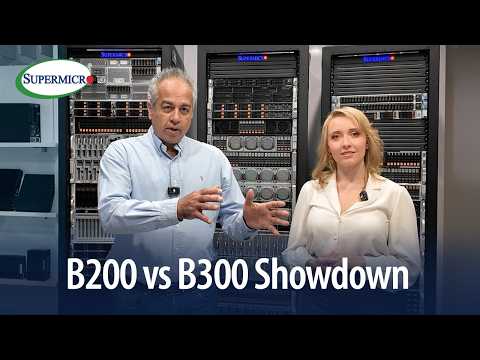
Playback may not be available in some regions
Software & Ecosystem ECOSYSTEM
First light after buying the cards: drivers, frameworks, and the interconnect network.
| Item | Requirements / Status |
|---|---|
| CUDA | 12.8 and above (minimum for the Blackwell generation) |
| Driver | NVIDIA 570 series and above |
| Training frameworks | PyTorch / TensorFlow officially support the Blackwell architecture |
| Inference engines | vLLM / SGLang / TensorRT-LLM are all adapted |
| Networking | 8-card systems need 800G interconnect: ConnectX-8 NICs + Quantum-800 / Spectrum-X switching |
| Operating system | Mainstream Linux distributions (Ubuntu 22.04+ etc.) |
Software stack versions evolve over time; defer to NVIDIA official releases. Driver–CUDA version mismatch is the most common first-light pitfall.
Buying Guide & Pitfalls PROCUREMENT
For high-value equipment inspection, industry practice is to ask these seven questions up front:
Three common scams
For high-value purchases, bring in third-party inspection to verify report-to-serial-number consistency.
How to Stress Test BENCH TEST
Any "new" claim on the spot market needs measured backing. All tools are free and public: drivers ship with nvidia-smi , NVIDIA's official diagnostic suite DCGM , open-source Burn-in Test gpu-burn , interconnect testing nccl-tests , CUDA bundled samples bandwidthTest . Six verdict cards below, each covering "what to use / which number to watch / what counts as Pass·Excellent·Fail":
nvidia-smigpu-burn 3600 or dcgmi diag -r 3 · 30–60 minutesbandwidthTest(CUDA bundled sample)nccl-tests all_reduce benchmarkvLLM Run a real model under loadMethodology note: The Pass/Excellent thresholds were compiled by this database based on common engineering practice (bandwidth as a share of rated values, temperatures per standard datacenter limits), and will be calibrated gradually as Measured Bandwidth data from Inspection Reports accumulates; this table constitutes no acceptance commitment — specifics are subject to contract terms. The measured items in this database's Inspection Reports are recorded per this table — NOT_EXECUTED means the item was not run; "not tested" is itself important information.
Shipping & Delivery LOGISTICS
| Stage | Key Points |
|---|---|
| Form Factor & Weight | 8-card system is roughly 8U; total system weight typically 100–170kg (depending on OEM and configuration, estimated) |
| Packaging | Factory wooden crates with anti-vibration brackets, moisture and tip-over warning labels |
| Cross-border Compliance | Export-controlled item: compliant customs declaration and import qualifications are prerequisites; transshipment through third countries is high-risk |
| Insurance | Full-value coverage is standard industry practice |
| Delivery Sequence | Inspect exterior and seals, verify serial numbers, then power on — pre-power-on verification is non-negotiable |
OEM & Variants VENDORS
Same HGX B300 baseboard, but vendors differ in form factor, cooling, density, and service — start selection with the differences:
| System Vendor | Representative Form Factor | Differentiators | Best For |
|---|---|---|---|
| NVIDIA official | DGX B300 | Official turnkey delivery, full-stack software and enterprise-grade support | For train-out-of-the-box and vendor backing |
| Supermicro | Dual form factors: 8U Air-cooled / 4U Liquid-cooled | Widest form-factor range, strong lead times and value, channel warranty | Self-built datacenters, value-focused |
| Gigabyte | G893 series (8U Air-cooled / 4U Liquid-cooled) | Up to 32 cards per rack, density-oriented, configured to order | For per-rack density |
| Dell | PowerEdge XE9712 (rack-scale Liquid-cooled) | Rack-scale NVL72 architecture + global Tier-1 service network | Multinational deployments, service network needed |
| HPE / Lenovo | Enterprise product line integration (Liquid-cooled focused) | Mature enterprise services and financing solutions, conservative form factors | Enterprise customers, outsourced operations |
AIXX Index · Four-Dimension Deployment Comparison AIXX INDEX
| System Vendor | Ease of Installation | Maintenance Convenience | Performance Density | Expected Lifespan |
|---|---|---|---|---|
| NVIDIA official | 95 | 90 | 80 | 85 |
| Supermicro | 88 | 82 | 85 | 82 |
| Gigabyte | 85 | 80 | 92 | 80 |
| Dell | 90 | 92 | 88 | 86 |
| HPE / Lenovo | 86 | 90 | 84 | 85 |
The index is this database's own estimate (0–100, dimensions consistent with the deployment four-dimension view in "Use Cases"); scoring basis = publicly available differences in vendors' form factors, cooling solutions, and service networks, updated with real-machine validation and batch data, and constitutes no procurement commitment. Specific models are subject to each vendor's official releases.
Glossary Cards GLOSSARY
HBM3e Memory
High-bandwidth memory stacked next to the GPU — the "granary" of AI training. 288GB per B300 card, 2.3TB across eight cards.
NVLink Interconnect
A dedicated high-speed channel between cards (5th generation, 1.8TB/s), letting eight GPUs work together as one.
SXM / NVL8
SXM is a GPU onboard direct-attach package (not a plug-in card); NVL8 refers to the eight-card fully interconnected baseboard form — the compute core of an HGX server.
Cold-plate Liquid Cooling / CDU
Cold plates sit against the chips to absorb heat; coolant carries it away through piping, while the CDU (coolant distribution unit) handles distribution and circulation — the core infrastructure of a Liquid-cooled datacenter.
FP8
An 8-bit floating-point format, the mainstream precision for AI inference and training; when estimating a model's memory footprint, weights ≈ parameter count × 1 byte.
MoE (Mixture of Experts)
A "sparse activation" large-model architecture: huge total parameter count (e.g., 671B for DeepSeek R1), but only a fraction (37B) is activated per inference. At deployment, all parameters still need to fit on the cards.
Limitations & Controversies LIMITS
- Price Black Box and China–US Price Gap : North American channel list price is roughly $497K (≈ ¥3.58M, captured 2026-10), while mainland China spot listings typically quote ¥15M–17M — a gap of over 4x for the same-spec system, among the most extreme premiums of any mainstream compute platform worldwide. The premium is a triple stack: demand far exceeds supply (hyperscalers queuing for allocation, capacity prioritized for top buyers, long queues for smaller customers), US export bans on China tightening legitimate supply, and NVIDIA's near-monopoly seller pricing power (Huawei and others still have considerable room to catch up); for gray-market transshipment markups and risk premiums, see the next entry and the timeline. Attribution remains contested — this database simply records the data daily.
- Capacity Allocation Dispute : Capacity is prioritized for allocated top-tier customers, with small and mid-size buyers facing queue times measured in years; "paying to jump the queue" and internal channel leakage are repeatedly cited by industry media, and NVIDIA has never published allocation rules — opaque allocation is the product line's biggest governance controversy.
- Channel Chaos and Refurb Risk : The spot market has seen cases of B200 units passed off as B300, misstated memory capacity, and refurbished cards sold as new (per inspection agency reports; this database's note: any "brand new" system from an unverified source should have its serial number and Inspection Report checked). Condition and authenticity verification is a required procurement step, not an option.
- Power and Deployment Barriers : 1100W per card, ~10kW-class power draw for an 8-card system; most existing datacenters need electrical and cooling upgrades. For Air-cooled form factors, the cooling ceiling is the performance ceiling; high altitude and high ambient temperatures require derated operation.
- Export Controls and Geopolitical Variables : The B300 is subject to US export controls targeting China, with channel legitimacy hinging on import qualifications; every policy adjustment directly reshapes the price structure (the 2026-07 approval of H200 for China triggered a sharp fall in H-series prices) — geopolitics is this platform's single biggest risk variable.
Market Band MARKET DATA
| Date | Basis | Region | Reference Price Band | Notes |
|---|---|---|---|---|
| 2026-10-20 | This database's market band | Mainland China | ¥12.57M – 16.62M | Active listing range (87 listings) |
| 2026-10-06 | Measured snapshot | Mainland China | ¥10.72M – 15.02M | Active listing range (30 listings) |
| 2026-10-07 | Measured snapshot | Mainland China | ¥10.72M – 15.02M | Active listing range (31 listings) |
| 2026-10-08 | Measured snapshot | Mainland China | ¥10.72M – 15.02M | Active listing range (31 listings) |
| 2026-10-09 | Measured snapshot | Mainland China | ¥10.72M – 15.06M | Active listing range (33 listings) |
| 2026-10-04 | Anchor price | Mainland China | ¥15.8M – 17M | A/B two configurations |
| 2026-10-05 | Overseas channel list price | North America | From $496,728 | Channel reseller public starting price[3] |
| 2026-10 | Market intelligence range | Mainland China | ¥15M – 17M | Channel intelligence, unverified by this database |
Real-time bands for other markets GLOBAL
| Market | Real-time band | Go to trading hall |
|---|---|---|
| Singapore (SGD) | 5.92M – 7.90M | 106 listings › |
| Europe (EUR) | 2.88M – 3.94M | 101 listings › |
| Japan (JPY) | 648.72M – 902.40M | 95 listings › |
| Middle East (AED) | 14.31M – 18.96M | 92 listings › |
| Mainland China (CNY) | 12.57M – 16.62M | 87 listings › |
| USD zone (USD) | 2.10M – 2.94M | 82 quotes › |
Real-time listing bands across markets (in native currencies, refreshed live on page load); click 'N listings' to go straight to the trading hall with the region pre-selected.
Methodology: from 2025-06 onward the band is estimated (back-projected from the B300's official market entry pace, band width = condition/config variance); from 2026-10 onward it is daily measured snapshots (see table above); North America is converted from channel list prices to CNY, and the estimated band is back-projected from market entry to now based on spot scarcity appreciation (roughly doubled), anchored to channel list price $496,728 as of 2026-10. Price data source for this library: AIXX Exchange (Zero-commission Matching, does not participate in transactions, neither holds nor speculates on transaction prices, hence data neutrality). Estimated bands for other markets are back-projected at roughly doubling since launch, with the endpoint anchored to that day's measured listing snapshot. Reference price bands are for trend reference only, do not constitute a trading offer, actual price subject to the seller's quote.
Price milestone timeline MILESTONES
News & Related Events TIMELINE
FAQ FAQ
Yes. FP8 weights are about 690GB; with 2.3TB of total memory, a single system can run the full model with ample headroom (see 'Model Fit').
The Air-cooled NVL8 form factor was designed for existing data centers and needs only 10kW-class power; the Liquid-cooled variant requires facility support (see 'Cooling Form Factor Comparison').
Verify the silkscreen and official firmware reports, and cross-check serial numbers through independent channels; the two generations look nearly identical, photos alone are unreliable (see 'Buying Practice and Pitfalls').
First, demand vastly exceeds supply—hyperscalers are queuing for units, capacity goes to top-tier customers first, and smaller buyers face long waits; second, the US government has enacted extremely strict prohibition laws targeting China, making legitimate purchases impossible; third, NVIDIA dominates alone with a generational technology lead (Huawei and others still have a steep catch-up gap). The combination drives spot price gaps above 4x (see 'Limitations and Controversies' and the market band, 2026-10 basis).
In production and in short supply: capacity goes to top-tier customers first, and queue times for smaller buyers are measured in years.
Related Entries SEE ALSO
Model comparison and selection COMPARE
References REFERENCES
- NVIDIA official site — Blackwell Ultra / HGX B300 product page https://www.nvidia.com/en-us/data-center/hgx/
- NVIDIA Newsroom — Blackwell Ultra platform launch https://nvidianews.nvidia.com/news/nvidia-blackwell-ultra-ai…
- Market band data — AIXX Exchange (listings on this platform and channel-informed ranges, updated daily) /hall.html
- US DOJ press release — California Man Arrested for Smuggling More Than $300 Million in Export-Controlled Computer Servers (2026-10) https://www.justice.gov/opa/pr/california-man-arrested-smugg…